Immigration DNA Testing in NYC - AABB-Accredited Lab, USCIS & Embassy Cases
If USCIS, a U.S. embassy, or a consulate has asked for DNA evidence in your case, we make the next step simple. NYC DNA Testing schedules in-person, appointment-based sample collection across all five boroughs, initiates your case through an AABB-accredited laboratory partner - the type of laboratory U.S. immigration authorities require - and coordinates the overseas collection through the official embassy or consular channel designated for your case.
Typical turnaround: most immigration DNA cases are completed in about 2–3 weeks after both samples are collected. Embassy or consular scheduling abroad can add time.
Queens 718-585-4844 · Manhattan 212-235-1857 · Brooklyn 347-630-8222 · Bronx 929-242-3717 · Staten Island 718-841-7200

Why Families Choose NYC DNA Testing for Immigration Cases
AABB-Accredited Laboratory Partner
All immigration testing we schedule is performed by an AABB-accredited relationship testing laboratory - the accreditation USCIS and U.S. embassies require. For New York specimens, the lab also holds the required NYSDOH clinical laboratory permit.
Case Guidance, Not Just a Swab
Received a request letter and not sure what to do? We walk you through the next step for USCIS, embassy, or consular requests before you spend anything - and confirm exactly what to bring.
Documented, Compliant Collection
Photo ID verification, in-person buccal swab collection, and direct kit routing through official channels. The kit is never handed to you - that's what keeps results acceptable for official use.
Global Coordination
Relative abroad? The laboratory routes the collection kit directly to the embassy, consulate, or approved collection site handling your case, and your relative is contacted for their appointment.
What Is an AABB-Accredited DNA Test - and Why USCIS and Embassies Require It
USCIS and the U.S. Department of State only accept DNA results from laboratories accredited by the AABB (Association for the Advancement of Blood & Biotherapies) for relationship testing. AABB accreditation certifies the laboratory's chain of custody, identity verification procedures, and reporting standards - the safeguards that make a DNA result trustworthy as immigration evidence.

How our process meets that standard:
NYC DNA Testing is a professional sample collection and case-coordination service. We are not the laboratory itself - and for immigration cases, that's exactly how the system is designed to work. Every immigration case follows the same compliant structure:
- Your case is initiated through our AABB-accredited laboratory partner, which also holds a New York State Department of Health clinical laboratory permit for New York specimens.
- Your sample is collected in person at our NYC location with photo ID verification and documented chain of custody.
- The overseas kit is routed by the laboratory through official channels - embassy, consulate, or approved collection site. It is never sent to you or your relative directly.
- Results are reported by the laboratory directly to the requesting agency, not through you.
This is the standard, compliant path for every immigration DNA case in the United States: an approved collection site plus an AABB-accredited laboratory. What matters for your case is that the lab is accredited and every step is documented - and both are true here.
When Immigration DNA Testing May Be Requested
Immigrant Visa / Embassy Cases (I-130 and family petitions)
For immigrant visa cases, the U.S. Department of State advises that DNA relationship testing is generally used only when no other credible evidence of the biological relationship is available. Commonly tested relationships include paternity, maternity, full siblingship, and half siblingship. More distant relationships are generally not relied on for immigrant visa cases. Testing is voluntary and does not guarantee visa issuance.
Citizenship, Passport & CRBA Cases (including N-600)
For citizenship, U.S. passport, or Consular Report of Birth Abroad (CRBA) cases arising from a birth outside the U.S., Department of State guidance allows DNA testing to help establish a biological relationship when other evidence is insufficient. Depending on the claim, tested relationships can include paternity, maternity, full or half siblingship, and certain avuncular or paternal grandparent relationships.
How Immigration DNA Testing Works
Step 1 - Review the Request
Call your nearest NYC location and tell us which agency, embassy, or consulate requested DNA testing. We'll explain the likely next step and confirm what to bring - before you commit to anything.

Step 2 - Petitioner Collection in NYC
Book an appointment for the U.S.-based petitioner or relative. We collect a buccal (cheek) swab in person, verify photo ID, and document the chain of custody.

Step 3 - Overseas Collection
The AABB-accredited laboratory routes the kit directly to the embassy, consulate, or official collection site designated for your case. Your relative abroad is then contacted with collection instructions.

Step 4 - Results Sent Directly
Once both samples are processed, the laboratory reports results directly to the embassy, consulate, or USCIS office managing the case. Most cases finish in about 2–3 weeks after both collections; overseas logistics can extend that.
Immigration DNA Test Cost in NYC - How Your Quote Works
Every immigration DNA case is quoted individually, because the total depends on factors that vary case by case:
- Relationship being tested - paternity or maternity vs. siblingship (siblingship analysis involves more markers)
- Number of participants - each additional tested person adds laboratory fees
- Destination country - international shipping and any embassy or panel-physician collection fees differ by country
- Case type - immigrant visa, CRBA, N-600, and passport cases can involve different coordination steps
What we promise about pricing:
- You get an exact, all-in quote in one phone call - laboratory, collection, shipping, and coordination included
- Your total is confirmed before you commit to anything
- No hidden fees - the quote you approve is the price you pay
- Under Department of State rules, the petitioner and/or beneficiary pay testing costs in advance - we'll explain exactly what applies to your case
📞 Call now for your exact quote: it takes about five minutes, and there's no obligation.
What to Bring to Your NYC Appointment
For the U.S.-based petitioner or relative:
- Valid government-issued photo ID (passport, driver's license, or other photo ID)
- Any case reference details - request letter, embassy notice, or agency/case number
If multiple U.S.-based relatives are testing: photo ID for each adult participant.
Helpful to have ready: the beneficiary's full name, date of birth, and country of residence.
Before your appointment (30 minutes prior), please avoid: eating or drinking, chewing gum, smoking or vaping - this keeps the cheek swab sample clean.
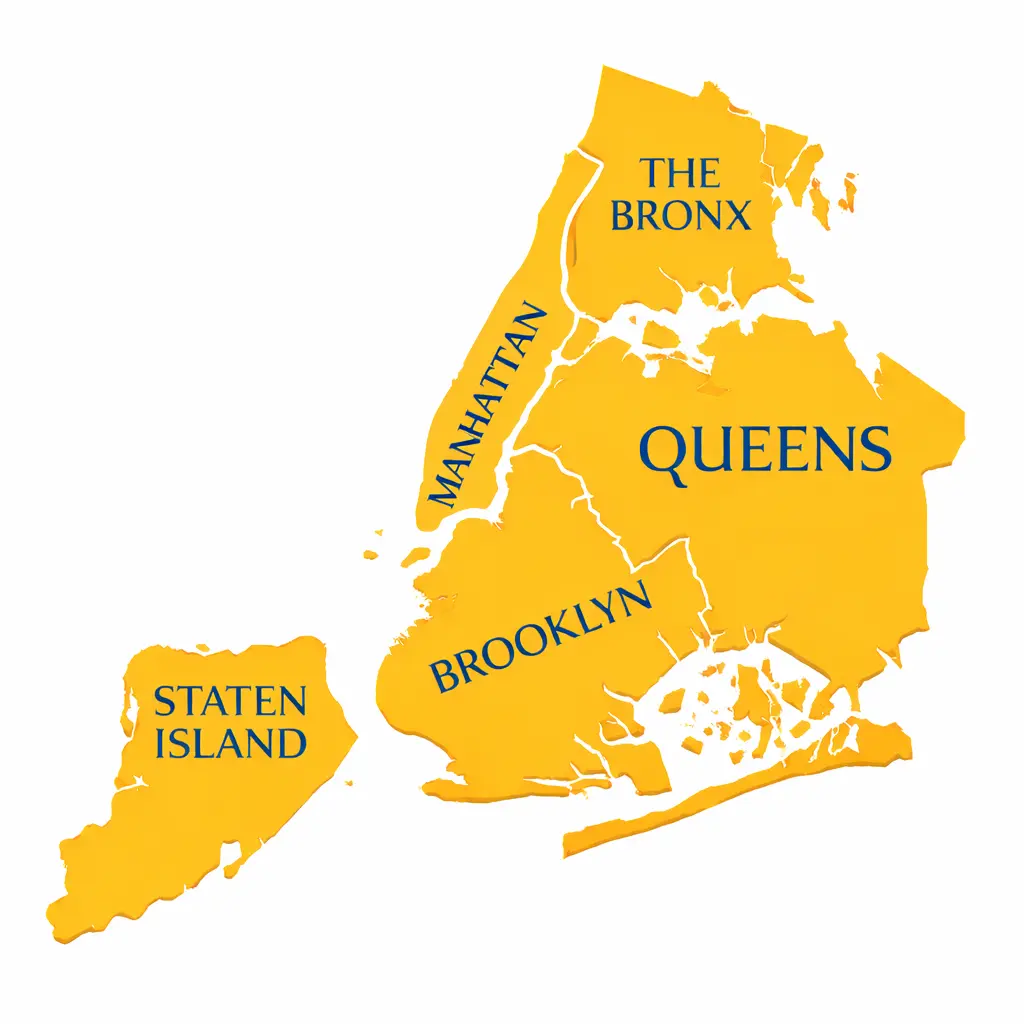
Immigration DNA Testing Near You - All 5 NYC Boroughs
We schedule petitioner collection at appointment-based locations across New York City:
Mobile Collection (By Request)
If the U.S.-based participant can't visit a location, mobile collection may be available for some cases (conditions apply). Call to confirm availability.
Immigration DNA Testing FAQ
Is your laboratory AABB accredited?
All immigration testing we schedule is performed through our AABB-accredited laboratory partner - the accreditation USCIS and U.S. embassies require. NYC DNA Testing handles your in-person collection and case coordination in New York; the accredited laboratory performs the analysis and reports results directly to the requesting agency.
How much does immigration DNA testing cost in NYC?
The total depends on the relationship tested, the number of participants, and the destination country, so every case is quoted individually. Call your nearest NYC location for an exact all-in quote - it takes about five minutes, your total is confirmed before you commit, and there are no hidden fees.
Is DNA testing mandatory for immigration cases?
Usually not. DNA testing is generally suggested only when other credible evidence of the biological relationship is unavailable or insufficient. It's voluntary - but when a consular officer or agency requests it, DNA testing is often the most reliable way to support the claimed relationship.
Will USCIS or an embassy accept an at-home DNA kit?
No. For official immigration or consular use, the petitioner must never receive the DNA kit directly. The case must be initiated through an AABB-accredited laboratory, and the kit is routed through the proper official channel for the overseas collection.
What kind of DNA sample is used?
A simple buccal (cheek) swab. Department of State guidance prefers cheek swabs because they're non-invasive, painless, and easier to ship than blood samples.
How long does immigration DNA testing take?
Most cases are completed in about 2–3 weeks after both samples are collected. Timing varies with the country, embassy scheduling, shipping, and local collection requirements.
Who pays for immigration DNA testing?
The petitioner and/or beneficiary pay the laboratory, shipping, and collection costs in advance. Testing supports a relationship claim but does not guarantee approval.
What do I need to bring to my NYC appointment?
A valid government-issued photo ID and any request details you have - request letter, case number, or embassy reference. If more than one U.S.-based adult is testing, bring ID for each.
How is the overseas sample collected?
After the laboratory receives the petitioner's sample, it sends the kit to the embassy, consulate, or official collection site designated for the case. Your relative abroad is then contacted with collection instructions and an appointment process.
Can you coordinate testing if my family member is outside the U.S.?
Yes - that's how most immigration DNA cases work. Coordination depends on the destination country, the case type, and whether collection happens through an embassy, consulate, or another approved site.
Does DNA testing guarantee visa, passport, or citizenship approval?
No. DNA testing helps establish a claimed biological relationship, but the final decision always rests with the agency handling the case.
Which relationships are most commonly tested?
For immigrant visa cases: paternity, maternity, full siblingship, and half siblingship. Some citizenship or CRBA cases may also involve avuncular or paternal grandparent testing, depending on the claim.
Got a DNA Request From USCIS or an Embassy?
Call before you schedule anything. If you already have a request letter, case number, or embassy instruction, we'll tell you - in one call - the likely next step, exactly what to bring, and your all-in quote.
📞 Call your borough: Queens 718-585-4844 · Manhattan 212-235-1857 · Brooklyn 347-630-8222 · Bronx 929-242-3717 · Staten Island 718-841-7200
Se habla español.